Piping systems in oil and gas, petrochemical, power generation, and other heavy industries depend on components that perform reliably under high pressure in tight spaces. Forged steel fittings are a common answer to that demand. These compact components are produced by pressing heated steel into shape, and they are manufactured in a range of material grades, most commonly carbon steel and stainless steel. Choosing the right forged steel fittings material affects pressure rating, corrosion resistance, code compliance, and the long-term integrity of the entire piping system. This guide walks through the standards, material families, pressure classes, and selection considerations that engineers and fabricators need to specify forged fittings with confidence.
What Are Forged Steel Fittings?
Forged steel fittings are small-diameter, high-pressure components made by pressing heated carbon steel blocks or other steel stock into the required shape. The forging process produces a dense, strong component suited to demanding service. Compared with other fitting types, forged pipe fittings are thicker and heavier, and they are intended for demanding heavy-service applications. The steel used for these fittings is produced from forging stock, bars, seamless pipe, or tubes that conform to specified melting process requirements, giving manufacturers tight control over material quality.
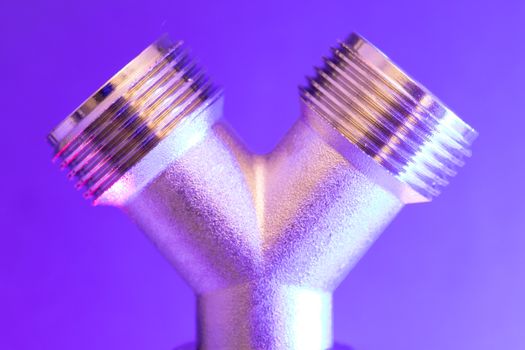
Two end connection types dominate the category. Socket weld fittings accept the pipe into a recessed socket and are joined with a fillet weld around the outside. Threaded fittings are screwed directly onto the pipe. Both connection styles are compact, which makes forged fittings ideal for confined spaces and for small line sizes where other fitting types are impractical.
Standards Governing Forged Steel Fittings
ASME B16.11 is the primary standard for forged steel fittings, covering both socket weld and threaded types. The standard defines dimensions, pressure classes, material requirements, and other technical criteria. Threaded items also conform to ASME B1.20.1, which is the standard for pipe threads. In supplier documentation, forged fittings are commonly referenced alongside ASME B16.11, MSS SP-97, and MSS SP-83, and fittings are frequently manufactured in facilities certified to ISO 9000:2000.
For the engineer, the practical point is traceability. A fitting that conforms to ASME B16.11 and ASME B1.20.1 provides a recognized basis for design and inspection. Before specifying a fitting, confirm that the supplier’s documentation identifies the applicable standards and the exact material grade. This documentation becomes part of the quality record for the project.
Forged Steel Fittings Material Grades
Material selection is the most consequential decision when specifying forged steel fittings. The material families covered by ASME B16.11 include carbon steel, alloy steel, and stainless steel. Each family serves a different set of service conditions, and the choice must be made against the fluid, temperature, pressure, and corrosion environment of the system.
Carbon Steel: ASTM A105
Carbon steel is the most widely used material for forged fittings in general industrial service, and ASTM A105 is the standout grade. Common examples of forged material grades are ASTM A105 for carbon steel service. The steel for ASTM A105 forged fittings consists of forging stock, bars, seamless pipe, or tubes that conform to requirements for the melting process. Carbon steel forged pipe fittings are made by pressing heated carbon steel blocks, which produces the strength needed for high-pressure applications.
ASTM A105 fittings are a reliable choice for oil and gas, petrochemical, and general industrial service where corrosion resistance requirements are moderate. They offer predictable mechanical properties and are widely stocked by distributors, which makes them the default option for many standard piping specifications.
Stainless Steel: ASTM A182 F304 and F316
When the service environment demands corrosion resistance, stainless steel is the standard answer. Common examples of forged stainless steel grades are ASTM A182 F304 and ASTM A182 F316. These grades offer excellent resistance to corrosion in a range of environments, including chemical processing and marine service. Stainless steel forged fittings are specified where carbon steel would degrade too quickly or where product purity is a concern.
The choice between F304 and F316 is driven by the aggressiveness of the environment. F304 is a general-purpose stainless grade suited to many corrosive media. F316 contains molybdenum, which improves resistance to pitting and chloride attack, making it a preferred option for marine and chemical applications. The specific corrosive agents in the process stream should determine which of the two grades is specified.
Alloy Steel
Alloy steel forged fittings are available for service conditions that exceed the capabilities of carbon steel. The material scope of ASME B16.11 includes alloy steel, and these fittings are typically selected for high-temperature service or for environments where strength at elevated temperatures is required. The alloy grade must be matched to the design temperature and pressure of the system, and it should be confirmed against the governing code before purchase.
Nickel Alloy and Other Materials
Forged pipe fittings are also produced in nickel alloy for applications requiring extreme corrosion resistance or high-temperature performance. Nickel alloy fittings are less common, typically heavier, and specified for specialized services. The material scope associated with ASME B16.11 also references cast iron, cast bronze, wrought copper, and steel, although the most commonly stocked forged fittings are carbon steel and stainless steel. For specialty materials, confirm availability, lead time, and the applicable material standard directly with the supplier.
Pressure Classes for Threaded and Socket Weld Fittings
Forged steel fittings are rated by pressure class rather than by pipe schedule. ASME B16.11 describes Class 2000, 3000, and 6000 for threaded end fittings, and Class 3000, 6000, and 9000 for socket weld end fittings. These classes establish the pressure-temperature rating of the fitting and must match the design rating of the piping system.
| End Connection | Pressure Classes per ASME B16.11 |
|---|---|
| Threaded | Class 2000, Class 3000, Class 6000 |
| Socket Weld | Class 3000, Class 6000, Class 9000 |
The pressure class is tied directly to the material grade and the wall thickness of the fitting. A Class 3000 fitting in carbon steel and a Class 3000 fitting in stainless steel are not interchangeable without checking the applicable ratings for that material. The material grade and the pressure class must be specified together so the fitting matches the system’s pressure-temperature envelope.
Forged vs. Buttweld Fittings: Why Selection Matters
Forged fittings are one option among several fitting types, and selecting the wrong type creates real consequences. Specifying forged fittings where buttweld fittings are required, or vice versa, leads to pressure rating mismatches, failed inspections, and costly rework on high-pressure piping systems. The material grade, the end connection, and the pressure class all need to align with the piping specification.
Forged fittings are generally used in smaller sizes where their compact socket weld or threaded connections make sense. Buttweld fittings, by contrast, are joined with full-penetration butt welds and are more common in larger line sizes. Engineers should confirm the fitting type required by the line size, the code, and the project specification before finalizing a material selection.
A Practical Material Selection Approach
Begin with the service conditions. Identify the fluid being conveyed, the design pressure, the design temperature, and the corrosion environment. These four inputs drive every downstream decision.
- Select the material family. Carbon steel ASTM A105 is the default for moderate service. Stainless steel ASTM A182 F304 or F316 addresses corrosion resistance. Alloy steel serves high-temperature strength requirements. Nickel alloy covers extreme conditions.
- Confirm the pressure class. Match the class to the system rating. Threaded fittings are available in Class 2000, 3000, and 6000. Socket weld fittings are available in Class 3000, 6000, and 9000.
- Verify the standards. The fitting should conform to ASME B16.11, and threaded items should conform to ASME B1.20.1.
- Check code compliance. Forged steel fitting components are the only appropriate choice under US codes in certain applications, so confirm the fitting type and material against the governing code.
- Request documentation. Confirm that the supplier can provide material traceability and standards conformance records before the fittings ship.
Material selection is not a single decision. It is a sequence of checks that connects the process conditions to the fitting rating, the material grade, and the governing standard. Working through that sequence carefully prevents mismatches that are expensive to correct after installation.
Frequently Asked Questions
Which standard governs forged steel fittings?
ASME B16.11 is the standard for forged steel fittings, covering both socket weld and threaded types. The standard defines dimensions, pressure classes, and material requirements for carbon steel, alloy steel, and stainless steel. Threaded items also conform to ASME B1.20.1, which covers pipe threads.
What is the most common carbon steel grade for forged fittings?
ASTM A105 is the most common carbon steel material for forged fittings. It is widely used across industrial piping applications and is manufactured from forging stock, bars, seamless pipe, or tubes that meet specified melting process requirements. It is the default grade for general carbon steel service.
What pressure classes are available for forged steel fittings?
ASME B16.11 describes Class 2000, 3000, and 6000 for threaded end fittings, and Class 3000, 6000, and 9000 for socket weld end fittings. The selected class must match the pressure-temperature rating of the piping system and the material grade of the fitting.
What stainless steel grades are used for forged fittings?
ASTM A182 F304 and F316 are the common forged stainless steel grades. Both offer excellent resistance to corrosion. F316 provides improved resistance to pitting and chloride environments, which makes it a preferred option for marine and chemical processing service.
Can forged fittings replace buttweld fittings in a specification?
No. Specifying forged fittings where buttweld fittings are required can cause pressure rating mismatches, failed inspections, and costly rework. Fitting type and material grade must both match the piping specification, the line size, and the governing code for the system.